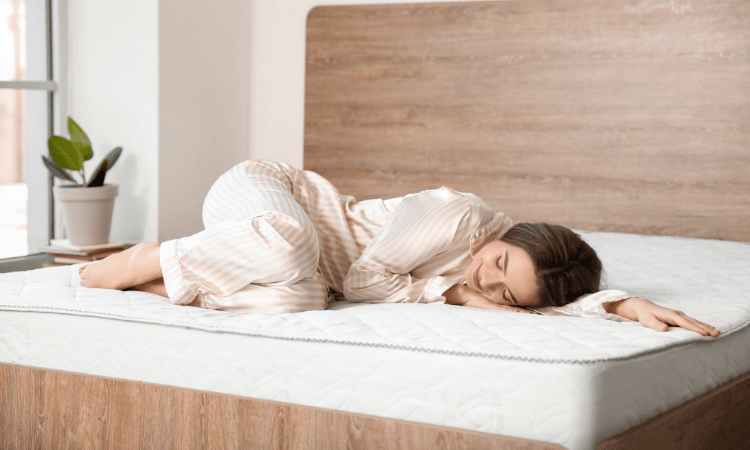
Not all mattresses are created equal, and that’s okay. The truth is, the “perfect mattress” isn’t the same for everyone. Your sleep needs, how you sleep, your body type, even how warm you get at night—matter way more than the brand name or fancy marketing.
Choosing a mattress based on your sleep needs can improve comfort, reduce aches, and help you wake up refreshed. It’s about matching the mattress to your body, not forcing your body to adapt to a mattress.
Think of it like this: a mattress that works for a side sleeper might feel way too soft for someone who sleeps on their stomach. A mattress great for a hot sleeper could leave a back sleeper chilly and uncomfortable. Small differences make a huge impact on your quality of sleep.
In this guide, we’ll break down the best mattresses for different sleep needs, from side sleepers to couples, and from hot sleepers to people dealing with back pain. No brand bias. Just practical advice to help you choose what works for your body and your sleep style.
By the end, you’ll know exactly what to look for so your next mattress feels like it was made just for you.
Understanding Your Sleep Needs Before Choosing a Mattress:
Before you start looking at mattresses, it’s important to understand your own sleep needs. The right mattress isn’t just about comfort, it’s about support, alignment, and helping your body rest the way it needs.
1. Know your sleep position: Side, back, stomach, or a mix? Your position changes the kind of support and firmness you need. Side sleepers need softer pressure relief for shoulders and hips. Back sleepers need steady support to keep the spine aligned. Stomach sleepers usually need a firmer surface to avoid lower back strain.
2. Consider your body type and weight: Heavier sleepers might need firmer mattresses to prevent sinking too much, while lighter sleepers often do well with softer or medium mattresses that contour to the body. Firmness isn’t one-size-fits-all—it’s personal.
3. Think about temperature preferences: Do you sleep hot at night? Look for mattresses with breathable materials or cooling layers. Mattresses that trap heat can leave you uncomfortable and restless.
4. Assess movement during sleep: If you toss and turn, or share the bed with a partner, motion isolation becomes important. The right mattress can absorb movement so you don’t wake each other up.
By knowing these things about yourself, you’ll be able to narrow down mattress types and features that actually suit your sleep style. It’s about making your nights comfortable and your mornings refreshing.
Understanding your sleep needs is the first step to choosing a mattress that truly works, not just one that looks good in a store.
Let’s check out the mattresses depending on different sleeping needs.
1. Best Mattresses for Side Sleepers
Side sleepers put a lot of pressure on their shoulders and hips. A mattress that’s too firm can leave you sore, while one that’s too soft can cause your spine to misalign. Pressure relief is key.
A medium-soft to medium mattress works best. Memory foam or hybrid mattresses are ideal because they gently contour to your body while providing enough support underneath.
Brands like Puffy Mattress and Keetsa are perfect for this. Puffy’s foam layers adapt to your shape, easing pressure at sensitive points. Keetsa hybrids combine soft foam with coils for balanced comfort.
Avoid mattresses that are too firm or thin, as they can create pressure points. And if you’re considering a Sleepyhead mattress, don’t forget to check for a Sleepyhead coupon, it’s a simple way to save while getting cozy comfort.
2. Best Mattresses for Back Sleepers
Back sleepers need even support along the spine. The right mattress keeps your body aligned, reducing morning aches and stiffness. Spinal alignment is everything.
Look for a medium to medium-firm mattress. Hybrids, innerspring, or supportive foam options work best, giving both comfort and stability.
Brands like Saatva and Beautyrest shine here. Saatva’s hybrid models combine a supportive core with plush top layers, while Beautyrest balances softness and firmness for consistent support.
Pro tip: Always check for a Saatva coupon when shopping, it helps make premium support more affordable.
3. Best Mattresses for Stomach Sleepers
Stomach sleepers are prone to lower back strain. A mattress that’s too soft will let your hips sink, throwing off alignment. Firmer support is essential.
Choose medium-firm to firm mattresses. Hybrids or innerspring models with a supportive base work best. Keep mattress thickness moderate; too much sink can strain your back.
Brands like EGO Home and Novilla provide firm support without compromising comfort. Common mistakes: Avoid soft foam mattresses—they may feel cozy but can worsen back issues.
4. Best Mattresses for Hot Sleepers
If you sleep hot, temperature control is a priority. Mattresses that trap heat can leave you tossing and turning. Cooling and airflow are must-haves.
Look for breathable materials, gel-infused foams, or hybrid designs. Airflow layers help keep the mattress cool all night.
Brands like Keetsa and Beautyrest focus on temperature regulation. Keetsa hybrids allow air to flow through the coils, while Beautyrest uses cooling foams that prevent heat buildup. Avoid dense memory foam that traps warmth.
5. Best Mattresses for Couples
Couples need motion isolation so one partner’s movement doesn’t disturb the other. Edge support and noise reduction are also important.
Memory foam and hybrid mattresses are usually best. Look for strong edges and layers that absorb movement.
Puffy Mattress, Saatva, and Sleepyhead are great choices. Puffy absorbs motion well, Saatva supports both partners evenly, and Sleepyhead offers a balanced feel for varied sleep styles.
Remember, a Sleepyhead discount code or Saatva coupon can help you save while investing in a mattress that works for both partners.
6. Best Mattresses for Back Pain and Joint Comfort
If you have back or joint pain, look for mattresses that distribute pressure evenly. Adaptive foam layers or zoned support can make a huge difference.
Memory foam or hybrid mattresses with targeted zones work best. They relieve pressure on sensitive areas while supporting natural alignment.
Brands like Puffy Mattress and Beautyrest excel here. Their contouring layers ease joint stress, making them ideal for sleepers with aches.
7. Best Mattresses for Lightweight vs Heavier Sleepers
Weight affects how a mattress feels and performs. Lightweight sleepers may find firm mattresses too hard, while heavier sleepers need more support to avoid sinking. Your body weight should guide your choice.
Lightweight sleepers: Softer to medium mattresses, foam or hybrid Heavier sleepers: Medium-firm to firm, durable hybrids or innerspring
Brands like Novilla, Keetsa, and EGO Home offer options for all weight ranges. Check coil count and layer thickness for heavier sleepers to ensure durability and long-term support.
How Mattress Types Match Different Sleep Needs?
- Memory Foam: Contours to your body, great for side sleepers and couples, excellent motion isolation.
- Hybrid: Combines foam and coils, ideal for back sleepers, hot sleepers, and heavier sleepers. Offers comfort and airflow.
- Innerspring: Strong support, perfect for stomach sleepers and those who sleep hot. Provides bounce and temperature regulation.
- Latex: Responsive and durable, good for back sleepers and people who prefer natural materials. Offers firm support with a springy feel.
By understanding your sleep style, weight, and temperature preferences, you can choose a mattress that actually improves your nights, without worrying about brand hype.
Common Mattress Myths That Don’t Match Real Sleep Needs:
Buying a mattress can be confusing, and there’s a lot of advice out there that doesn’t actually help. Let’s clear up some of the most common myths so you can make a smart choice for your body and your sleep style.
Myth 1: One firmness fits all Not true! Everyone’s body and sleep style are different. Side sleepers often need softer mattresses for shoulder and hip comfort, while stomach sleepers do better on firmer surfaces to prevent lower back strain. Choosing based on personal needs matters far more than chasing a “universal” firmness.
Myth 2: Expensive always means better Price doesn’t guarantee comfort or quality. A high price can reflect brand prestige or fancy marketing rather than better sleep. Many mid-range mattresses like Puffy Mattress or Sleepyhead provide excellent support and durability at a fraction of a luxury price. Always focus on features, support, and fit for your sleep style, not the tag.
Myth 3: Firm mattresses fix everything While a firm mattress can help with support, it’s not a universal solution for back pain or better sleep. Too firm a mattress can create pressure points, especially for side sleepers, leading to discomfort. The key is balance, support where it’s needed and softness where it eases pressure.
The best mattress is the one that matches your sleep position, body type, and comfort needs, not what friends recommend, what looks premium, or what’s marketed as “the firmest.” Understanding your own sleep habits will help you pick a mattress that truly improves your nights and mornings.
Final Thoughts:
Choosing the right mattress isn’t about following trends, buying the most expensive option, or picking what worked for someone else. It’s about understanding your sleep needs—your position, body type, temperature preferences, and comfort requirements.
The right mattress can make a big difference. It can ease pressure, support your spine, reduce tossing and turning, and help you wake up feeling refreshed. Matching your needs with the right mattress type—whether memory foam, hybrid, innerspring, or latex—makes all the difference.
Remember, better sleep starts with informed choices, not assumptions. Take the time to understand your body, know what features matter, and choose a mattress that truly works for you. With the right approach, every night can be comfortable, restorative, and exactly what your body needs.